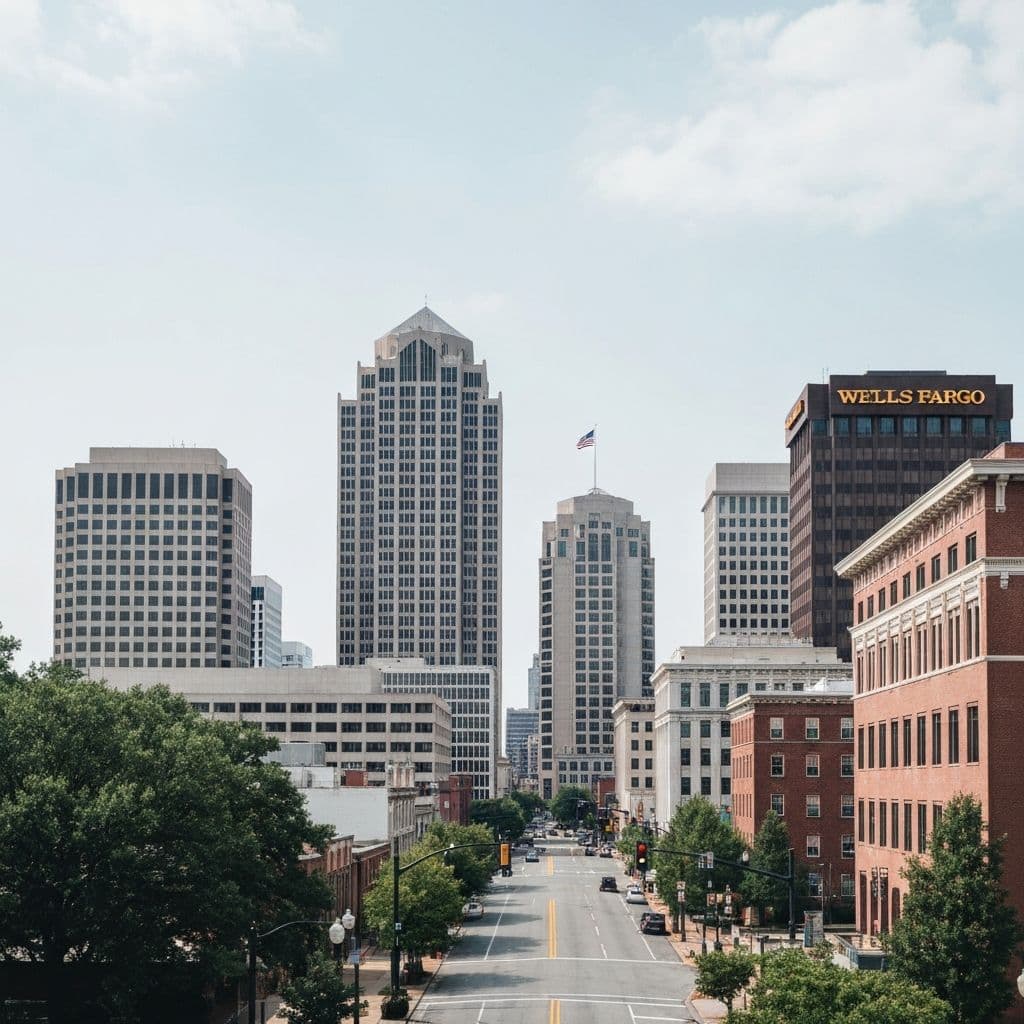
Raleigh, NC
New Construction Buyer Guide for Raleigh
Triangle buyers should compare registration timing, rapidly changing community inventory, site costs, incentives, and construction-stage inspection access before committing.
Before first builder contact
Why timing matters in Raleigh.
Raleigh-Durham new construction spans master-planned communities, suburban growth corridors, townhomes, infill, and higher-end custom projects. Builder registration procedures can differ by company and community. Because the buyer's first interaction can matter under some policies, a buyer who wants independent representation should ideally make that decision before visiting a sales center or submitting a direct builder inquiry.
A buyer should not treat 'first visit' as a universal legal rule. The relevant question is what the specific builder or community requires for broker recognition and any offered cooperating-broker compensation. An experienced Triangle agent can confirm that policy and document representation before the buyer enters the sales process when possible.
Local buyer context
What buyers often miss.
Quick move-in homes and to-be-built homes can have very different pricing, upgrade, timeline, and incentive tradeoffs even within one community.
Lot premiums, HOA obligations, design selections, and financing costs can materially change the all-in cost beyond the advertised base price.
Preferred-lender incentives should be compared against outside financing rather than evaluated only by the headline credit or promotional rate.
Inspection and walkthrough timing should be coordinated against the builder's construction schedule and contract rather than assumed to mirror a resale transaction.
Market framing
About the Raleigh new-construction market.
The Triangle's new-construction footprint reaches across Wake, Durham, Orange, Johnston, Chatham, and surrounding counties. Buyers may be comparing large planned communities, suburban production homes, townhomes, and infill projects in the same search. That makes the all-in cost, commute, community obligations, lot characteristics, builder process, and delivery timing as important as the floor plan itself.
Buyer protection framework
A stronger way to approach the transaction.
Choose representation early and verify the builder's current registration process for the specific Triangle community.
Compare inventory-home versus to-be-built economics, including incentives, options, lot costs, and timing.
Read the builder agreement for deposit, financing, delay, inspection, substitution, cancellation, and warranty provisions before signing.
Create a documentation plan for selections, change orders, inspection reports, walkthrough items, and warranty communications.
Raleigh FAQ
Questions to settle before you commit.
Does a Raleigh builder have to recognize an agent I add later?
There is no single Triangle-wide rule. Builder and community policies differ. If you already contacted a builder, verify that builder's current registration and broker-cooperation terms rather than assuming later representation is either guaranteed or impossible.
When should I contact a buyer's agent for Triangle new construction?
If you want independent representation, before your first direct builder contact is the safest time. That allows the agent to check registration requirements before they become an issue.
What should I compare in Raleigh new construction incentives?
Compare purchase price, rate, points, lender fees, closing credits, upgrades, lot premiums, cash needed at closing, and the long-term payment rather than judging the offer by a single incentive number.
Does New Home Hero charge a separate buyer referral fee?
No separate New Home Hero referral fee is charged to buyers for requesting a match. The selected brokerage explains representation and agent-compensation terms in the buyer's written agreement.
Planning to tour a builder in Raleigh?
If you want independent representation, handle that decision before first contact when possible and verify the specific builder's current policy.